A Spring Shuffle
As we go full swing into spring, the inevitable ‘spring clean’ is looming and can’t be ignored. But, done right, this seasonal decluttering can set us up with tidy homes that stay that way. With a tidy and a shuffle you can achieve clutterless bliss, a haven of calm, your home away from the chaos of the outside world, a place you can look forward to living in. To help you master your mess we’ve collated our top tips on ‘how to hide’; there’s no need to get the bin bags out this spring. We know some solutions to help you tuck away and tidy what you have already got - using the power of psychology and interior design trickery, combining an understanding of simplicity, grouping, and continuity to plan a decluttered home that works for you.

Dispelled by Light
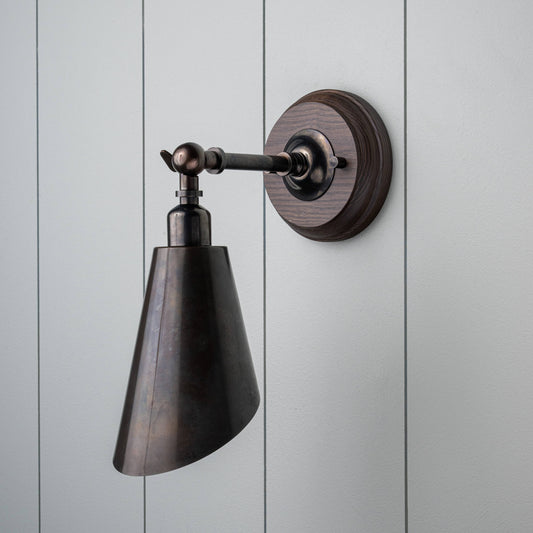
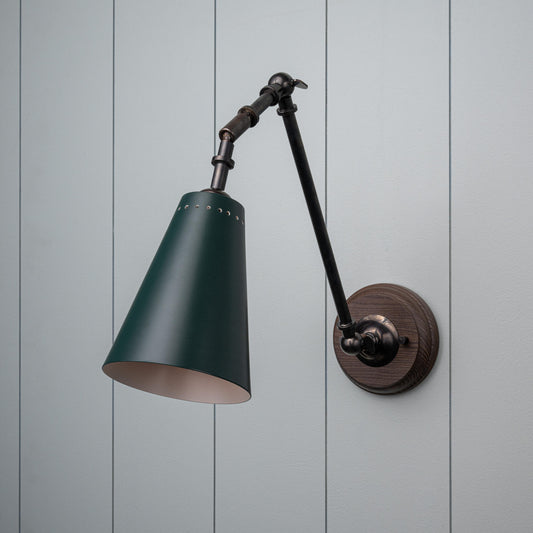
Without getting rid of a thing, well used lighting can instantly reduce the visual chaos clutter can create. Dark corners, dark shelves, and busy surfaces can be made less chaotic and claustrophobic with a bit of brightening up. Layered lighting helps to eliminate the harsh shadows between trinkets and ornaments. Dispelling these shadows reduces the feeling of busyness, and the lighter space becomes more open and airy. Dive deeper into our tips and tricks for bringing more light to even the smallest rooms in your house with our journal on ‘Big Room Energy’.

Mess at First Sight
Walking into a room you wanted to be greeted and welcomed, not confronted by clutter. This first impression of a room, the first line of sight, needs to be the highest priority for decluttering. Clear these and already you minimise the amount of clearing you have to do elsewhere. Focal furniture and statement pieces will inevitably draw the eye more, so these need to be kept as clear as hallowed ground. This theory of visual attention means that mess doesn’t always need to be hidden or removed, but simply placed somewhere else, somewhere less celebrated and less critical to the layout of the room.

Storage 'Everythings'
Why stop at a chest of drawers? As much as we love our Shipshape chest of drawers for all the storage space it gives, it is not the only tool in our arsenal. A storage ottoman is the subtle way to hide away cushions, blankets, toys and boardgames from your sitting room. A console table such as our beloved Keepsake with its handy drawer offers a space to accessibly store your debris of keys, cards and change (just one of the reasons we feel that everyone needs a console table in their home). A side table with a drawer (like our iconic Slumber bedside) or a door (our aptly named Bits and Bobs) are perfect for stashing chargers and cables or any manner of shrapnel that struggles to find a home.

Open and Closed
Although we have talked a lot about hiding, closed storage is not our only option. Open storage is very much there to be used - although cautiously. Avoid placing items on top of a shelving unit, or as in the case of our Spindle or Revive side tables, limit the number of items sat on the top surface. Instead, load up the shelves with books and bits and keep the top clearer. This top surface is prime real estate in your interior and should be used as a pedestal for the pieces you want on show; a feature table lamp, antique radio, or something sculptural. When it comes to closed storage antique boxes are an easy way to hide a mishmash of bits in plain sight. If you have hidden storage in the form of disguised built-in cabinets or false walls then your closed storage needs are already met.

The Power of Proximity
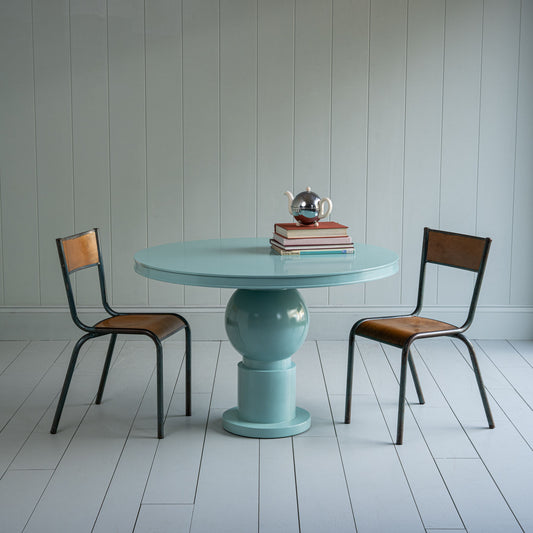
Removing every item from every sideboard and table top may sound like the ultimate tidy-up, but it will leave your home devoid of personality. It is part of our nature to adorn our spaces with precious bits that mean something to us and that tell our story. Instead of removing these reflections of self, try giving them order in the chaos by grouping them. A few different items placed on top of a tray or a book become grouped together by their proximity and read as a single unit. There is also the matter of curation; only keep out items that are meaningful. Less valuable bits can be sorted into little ornamental bowls, or a basket to keep them together. Proximity is most critical in areas of the home that having items accessible and on show is more inevitable, places such as the kitchen or the bathroom. Setting up a few bottles in a cluster for example reads as intentional rather than as loose clutter.

When you can Rotate but you can’t Hide
Each of our tricks so far have been about how to reconsider how you keep the pieces you have to reduce the sense of clutter without actually removing anything. Another side of this is how you rotate items, bringing out different decor for the season and storing away the pieces they replace. It is ok to hold on to pieces without keeping them on display through the year, and bringing them out on occasion allows you to switch up your space and keep it fresh. For more detail on how to give your home a seasonal rotation, read our journal on ‘A Home For All Seasons’.

In Summary...
There is a lot you can do to spruce up your home this spring without needing to throw out things you love. To round it off we have condensed our top tips for you to consider when you begin shuffling your home around and clearing your clutter:
- Well lit spaces feel less swamped - table lamps bring so much benefit to your interior, and by positioning lights in the darker or busier bits of your space it becomes less suffocated
- First impressions count - a mantra as old as time, and incredibly relevant to interior design. Ensure the main sightlines in the home are kept clutterless and tidy as a matter of priority. You can always put the bits you clear away somewhere else less vital
- Furniture with storage capacity is critical - storage ottomans, sideboards, desks and drawers can all be clever place to hide some more of your clutter
- Group the bits that are not put away - curate the pieces that you have not hidden. Arrange them carefully together rather than dotting them around carelessly and sporadically. If it looks intentional it won't look messy